View recovery
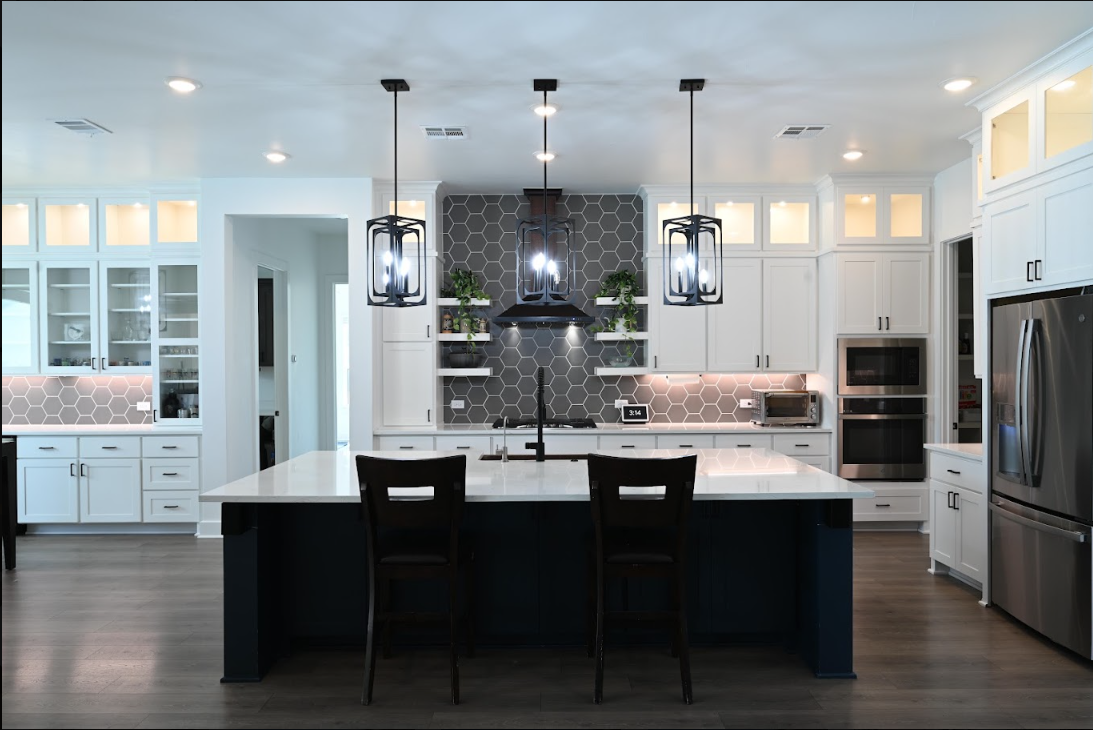
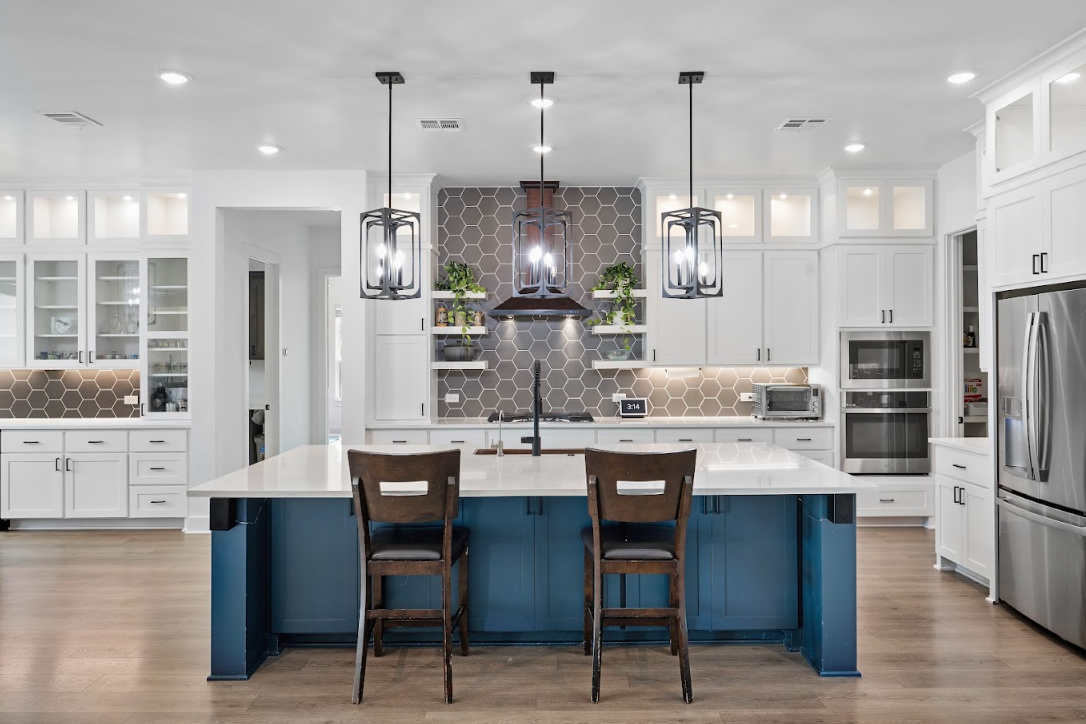
Exterior detail taken from the exposure that actually holds it, so the window reads as a window instead of a light box.
Window pulls
Buyers are buying the lake, the skyline, the treeline — and a blown-out white rectangle sells none of it. Window pull editing recovers the real view from your brackets and puts it back without wrecking the interior.
Why it is hard
Midday exterior versus a shaded interior is routinely a difference no sensor holds in one frame.
That is why the pull happens in the edit rather than in the camera. The information exists — just spread across several exposures. The craft is putting it back together so nothing announces that it was ever separate.
The failure modes are consistent across the industry: grey, muddy views that were lifted too far; halos where the blend mask missed the frame; and exteriors so bright the room around them looks under-lit. Every one of those makes a listing look edited instead of photographed.
What the edit covers
Exterior detail taken from the exposure that actually holds it, so the window reads as a window instead of a light box.
The room stays brighter near the glass and darker away from it, the way daylight behaves in a real space.
No glow along mullions, sills or curtain edges — the most obvious tell of a rushed blend.
Cool daylight outside and warm interior light balanced so the two halves of the frame belong to the same photograph.
Glass keeps its reflections where they are natural rather than being scrubbed flat.
Every room with a window gets the same treatment, so the gallery does not swing from grey views to glowing ones.
Shoot for it
FAQ
It is the part of the edit that brings back the view through the window. The camera cannot hold a bright exterior and a normally lit room in one exposure, so the view is recovered from a darker frame in your bracket set and blended into the room.
A bracket set on a tripod where the darkest frame genuinely holds the window — exterior detail visible, not clipped to white. If the view is gone in every frame, there is nothing to recover.
Not honestly. A single frame with a clipped window contains no exterior information. What some editors do in that case is paste in a view that was never there, which is a compliance risk on a listing.
Two reasons: the exterior is left brighter than the room in a way daylight never behaves, and the transition at the frame is too abrupt, leaving a halo. A good pull keeps the falloff believable and the frame edge clean.
Yes. Window pulls are part of the standard $0.99 per image HDR edit, not a separate upcharge.
Upload a bracket set and see how your windows come back.