Sky chosen to fit the frame
Overcast exteriors get a soft, believable sky. Hard-light exteriors get one with matching contrast. The sky serves the photograph, not the other way round.
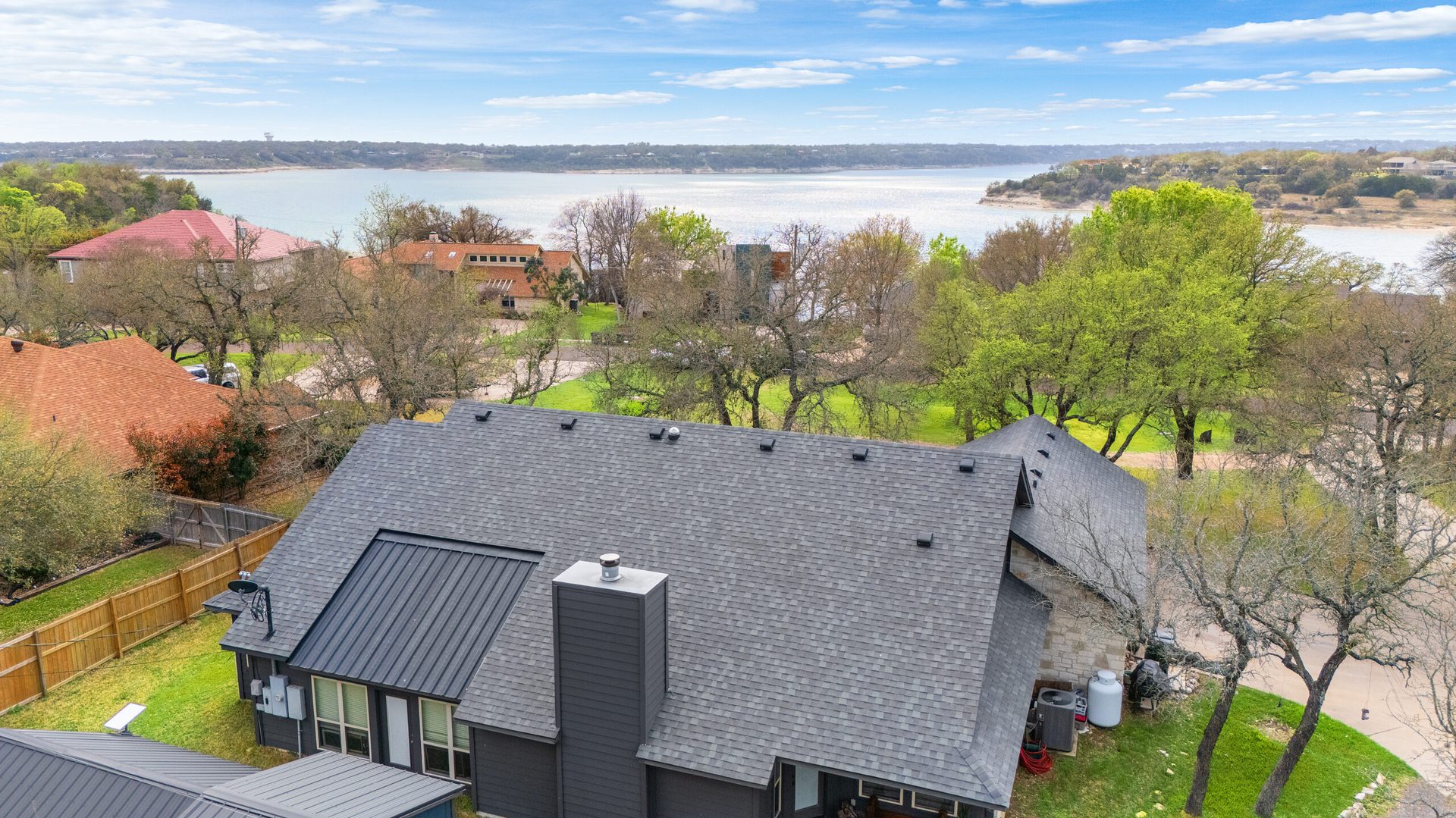
Sky replacement
You shot the exterior on the only day the seller had. Sky replacement rescues a flat white sky with one that matches the light already in the frame — and stops there.
The craft
Dropping in a blue gradient takes seconds. Making the house underneath belong to it is the actual job.
A photograph carries evidence of the sky it was taken under: the softness of the shadows, the colour of the light on the render, the way the roof reflects. Replace the sky without reconciling those and the eye catches it immediately, even if the viewer cannot say why.
So the sequence matters. Choose a sky with the right character, place it to agree with the sun direction the building already shows, mask the roofline and vegetation cleanly, then let a little of the new sky's colour fall onto the surfaces facing it. Done in that order, the result just looks like a better day.
What is included
Overcast exteriors get a soft, believable sky. Hard-light exteriors get one with matching contrast. The sky serves the photograph, not the other way round.
Highlights and shadows on the building tell you where the sun was. The replacement sky is placed to agree with them.
Rooflines, chimneys, aerials and bare branches masked properly, so there is no glow where the building meets the sky.
A new sky changes the ambient light. Rendering that spill onto the roof and walls is what makes the swap invisible.
Drone exteriors get the same treatment, including horizon levelling and haze control at altitude.
No purple sunsets on a midday shoot. The goal is a listing that looks well-photographed, not obviously composited.
Shoot for it
FAQ
When the sky in the frame is flat white or blown out and the exterior otherwise works. It is a presentation fix for weather, not a licence to turn an overcast afternoon into a dramatic sunset.
It does when the new sky ignores the photograph underneath it — sun coming from the wrong side, shadows that contradict the light, or a saturated blue over a grey, diffused exterior. Matching the existing light is most of the work.
Rules vary by market and brokerage, and some MLS boards require disclosure for altered images. Replacing a blown-out sky is widely accepted; anything that changes what the buyer is getting should be disclosed. Check your local guidance.
That is where cheap sky swaps fall apart. Bare branches, aerials and complex rooflines need the edge handled properly or you get a halo that reads instantly as a paste job.
Sky replacement is part of the standard $0.99 per image HDR edit. If you want to run it yourself on photos you already have, alterations start at $0.50.
Send an exterior set and see the difference restraint makes.